

CO₂ is filtered from the air in Berlin-Marzahn
14 April 2026
The DVNE member Ucaneo is building one of the largest industrial facilities for direct air capture in Europe in Berlin-Marzahn. It will remove up to 150 tonnes of CO₂ per year directly from the ambient air. We spoke to the founders, Florian Tiller and Carla Glassl.
Using renewable energy to efficiently filter CO₂ from the air and thereby stop global warming – this, in simple terms, is the goal of Berlin-based Ucaneo GmbH. In so-called Direct Air Carbon Capture and Storage (DACCS or DAC), carbon dioxide is removed directly from the ambient air using filtration systems.
The captured CO₂ can then, for example, be stored underground in geological formations or reused for the production of products. Although costs and energy demand remain a challenge, rapid innovation is taking place towards scalable deployment.
The groundbreaking ceremony for your DAC plant in Marzahn took place in September 2025. How is construction progressing?
Overall, the work is progressing very well. Anyone passing by our site in Berlin-Marzahn at the moment can already see the building housing our plant. Of course, with a project like this, there are always a few unpredictable factors. In our case, for example, the Berlin winter weather. This caused a brief pause at times. But that is something to be expected when building in Germany in February. All in all, we are on schedule – and most importantly: our opening date on July 2 is set. By then, the plant will be ready to start removing CO₂ from the air.
How does Ucaneo’s method differ from other DAC systems?
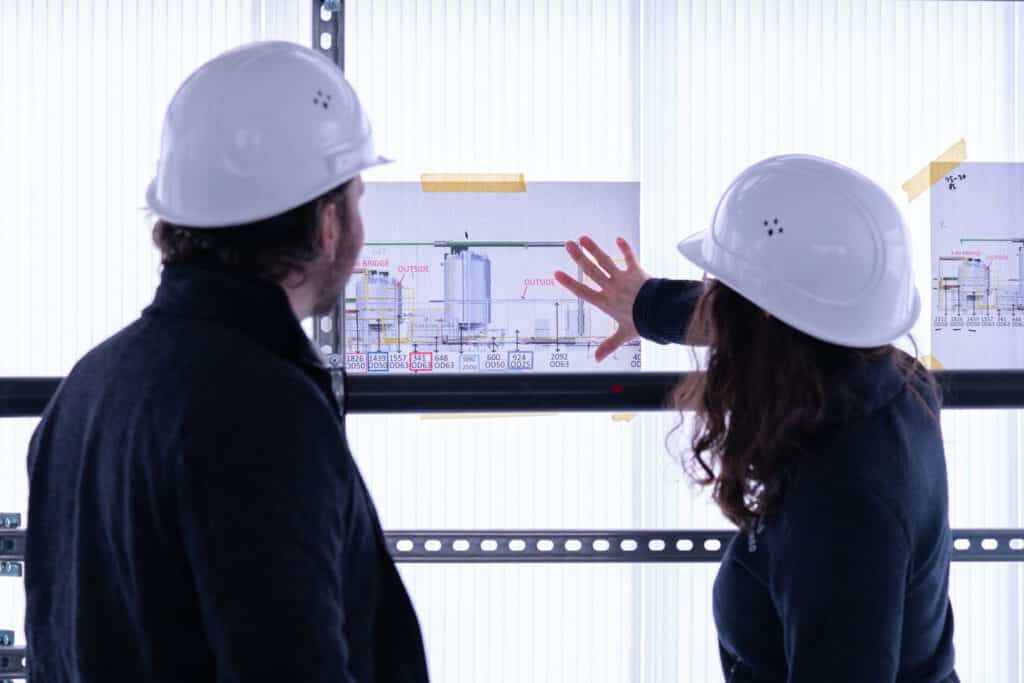
We use an innovative combination of electrochemistry and (bio)catalytic solvents, inspired by the functioning of the human lung. In conventional methods, CO₂ is bound using a kind of chemical sponge and then released again at very high temperatures.
In contrast, we bubble CO₂ into and out of our solution (similar to carbonated water), controlled by the pH value of the solution.
This allows us to operate at room temperature, requires significantly less energy, and enables flexible operation of our systems using renewable energy. Many of our components come from established industries such as water treatment, which reduces costs and enables rapid scaling of our technology.
Direct Air Capture has a reputation for being highly energy-intensive. Is this a solvable problem? Is DAC suitable for use in Germany?
Yes, it is a major challenge, but it is solvable. Many DAC technologies require high heat, which is often generated from fossil sources. Our technology, by contrast, operates purely electrochemically at room temperature and uses only electricity.
This allows us to remove CO₂ precisely when surplus wind and solar energy is available. This makes DAC significantly more efficient and particularly well suited to Germany’s energy system.
What are your next strategic milestones? What can we expect from Ucaneo in the near future?
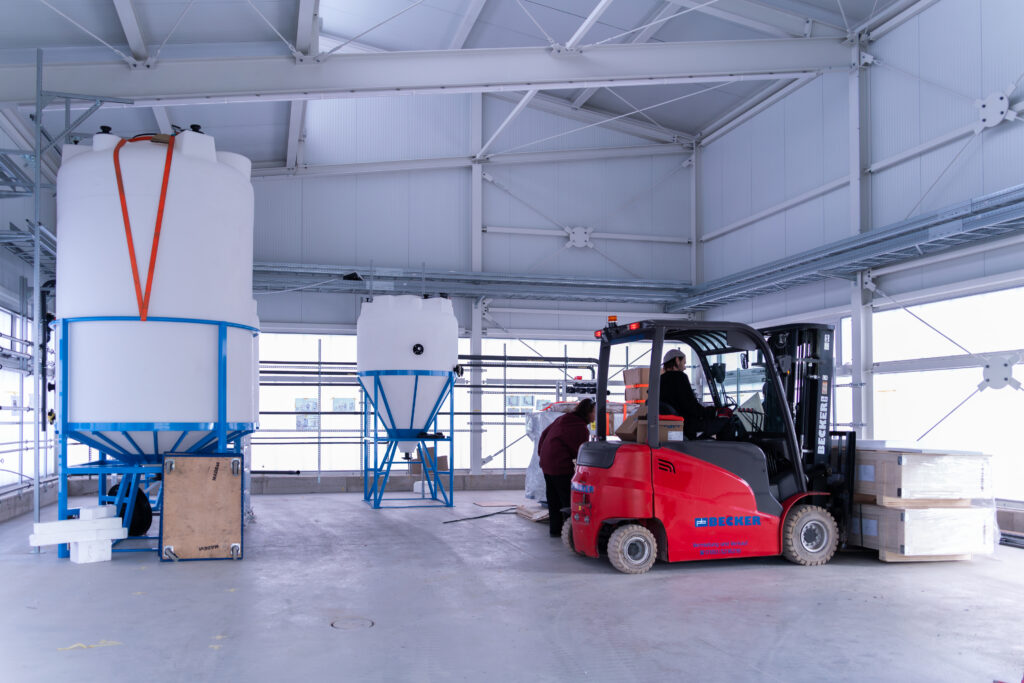
In addition to the ongoing construction of our 150-tonne facility in Berlin-Marzahn, we are already working in parallel on the design of a significantly larger plant that will be capable of removing 1,000 to 1,500 tonnes of CO₂ per year from the atmosphere.
After that comes the major lever: we will license our technology. Essentially, like McDonald’s franchises its restaurants—just for climate protection. In this way, hundreds of plants could be built worldwide over the next 5–10 years.
What is the idea behind your visitor campus in Berlin? When will it open?
We want to create a place where people can experience and understand our Direct Air Capture facility. We aim to make carbon removal tangible for visitors. The opening is planned for mid-2026. The campus in Marzahn is easily accessible by public transport—about 20 to 30 minutes from the city centre.
To sum up, what would you like to convey? What is your key message?
Let’s be optimistic together and focus on what we’re really good at. Germany is the home of mechanical and plant engineering. We must shake off this sense of powerlessness: we can capture CO₂ from the air in a clean, reliable and – with the right integration of renewable energy – affordable way.
If we remain bold, build quickly and think big, DAC will become a true pillar of climate protection and cost-effective, secure production chains.
Our mission remains simple: to clean up the atmosphere, decarbonise value chains and make them more resilient. Tonne by tonne.
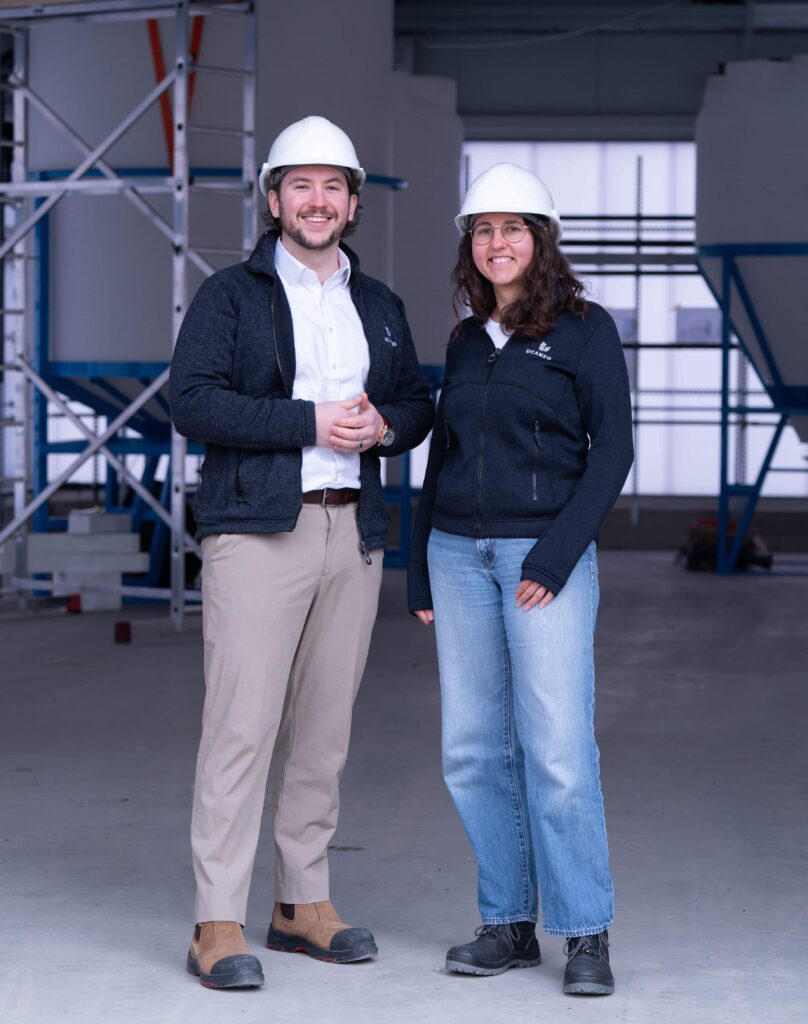
What is taking shape in Berlin-Marzahn is more than just a single facility. It is a glimpse into how carbon removal could become part of everyday climate infrastructure. With this project, Ucaneo is taking a tangible step towards scaling Direct Air Capture in Europe. Whether and how quickly such technologies can contribute at scale depends on further innovation, appropriate policy frameworks, and market development. But the direction is clear: carbon removal is moving from concept to reality.
Videos and pictures: Carl Bahra